Top 6 CRMs for Startups

Most startups begin in spreadsheets. They're free, flexible, and quick to set up — until your pipeline starts to matter. Once leads start slipping, follow-ups depend on memory, and handoffs lose context, your team spends more time managing data than selling.
That's the moment a CRM stops being optional.
This guide covers what actually matters in a startup CRM, six platforms worth shortlisting in 2026, and the mistakes that force teams to switch systems within months.
TL;DR
- Most startups outgrow spreadsheets faster than they expect, and the wrong CRM choice forces a costly switch within months.
- The six leading platforms in 2026 split into all-in-one operating systems (Bitrix24), ease-of-use leaders (HubSpot, Pipedrive), customization-heavy options (Zoho), and sales-focused tools (Freshsales, Close).
- The right choice depends less on feature count and more on how quickly your team can adopt it, whether automation is built in from day one, and whether the system supports collaboration as you grow.
- Match the platform to your current sales motion and 18-month trajectory rather than to brand recognition, and the decision becomes straightforward.
Top CRM comparison for startups (2026)
|
CRM |
Best for |
Key strength |
Main limitation |
Pricing |
|
|---|---|---|---|---|---|
|
Bitrix24 |
Scaling startups needing one system |
CRM, automation, tasks, and chat in one platform |
Interface can feel dense initially |
Free plan available; paid tiers scale with team size |
|
|
Ease of use and marketing integration |
Fast setup, intuitive UI, strong ecosystem |
Advanced features become expensive quickly |
Free plan; paid tiers for automation and reporting |
||
|
Pipedrive |
Simple, sales-focused pipelines |
Clear visual pipeline, minimal learning curve |
Limited collaboration and basic automation |
Paid plans from entry-level tiers |
|
|
Zoho CRM |
Customization on a budget |
Highly flexible workflows and broad feature set |
Setup and configuration take time |
Free tier; affordable paid plans |
|
|
Freshsales |
Built-in sales engagement |
Email and calling tools included, modern interface |
Limited cross-team collaboration |
Free plan; paid tiers for advanced features |
|
|
Close CRM |
Outbound and inside sales |
Strong calling and email for high-volume outreach |
Not built for collaboration beyond sales |
Paid plans only |

When startups outgrow spreadsheets
Spreadsheets work until pipeline complexity outpaces manual discipline. The signs are consistent across early-stage teams:
- Leads are missed when follow-ups depend on memory
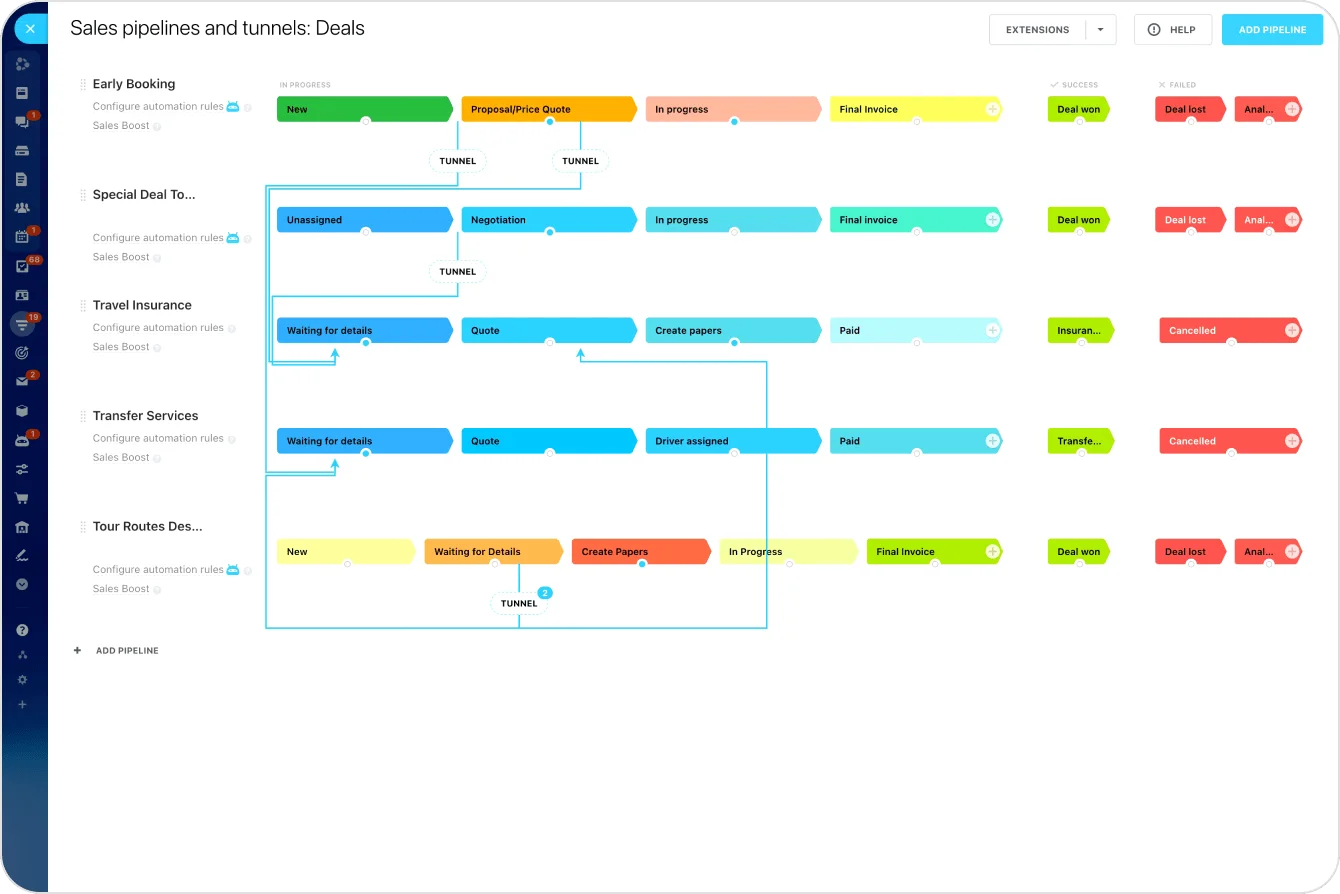
- No quick view of what's active, stalled, or close to closing — the absence of basic sales pipeline management shows up first
- Manual updating eats time that should go to selling
- Sales, marketing, and founders work from different versions of the data
- Handoffs lose context and slow deals down
The hidden cost isn't visible on a P&L; it shows up in slower response times, missed deals, and inconsistent processes. A CRM closes the gap by enforcing a structure that doesn't depend on memory.
How to know it's the right time to switch
Most founders wait too long because the cost of switching feels higher than the cost of staying. It rarely is. Use this rough threshold:
- You have more than 25 active deals in flight at any time
- Two or more people touch the same deal regularly
- You've missed at least one follow-up in the last two weeks because it lived only in someone's head
- You can't answer "what's our pipeline?" in under a minute without opening a spreadsheet
If two of these are true, you're past the right moment. The earlier you migrate, the less data you need to clean up and the fewer habits you have to rebuild. Migration gets harder, not easier, with every quarter you wait.
Why this matters: the data on early-stage failure
The cost of waiting too long is not theoretical. CB Insights analyzed 483 startup post-mortems and found that lack of market need was the most common reason startups failed. One reason that gap widens is that early teams often lose touch with what prospects and customers are actually telling them.
When your pipeline lives across spreadsheets, inboxes, and memory, important signals get missed. You lose visibility into objections, buying patterns, follow-up gaps, and the conversations that should shape your next decisions. That makes it harder to spot what is resonating, what is stalling deals, and where your process is breaking down.
A CRM doesn’t create product-market fit on its own. What it does do is make customer learning easier to keep, review, and act on. Every conversation, follow-up, and commitment stays attached to the relationship, giving your team a clearer view of what customers want and what needs to change.
What startups should look for in a CRM
The goal isn't the most feature-rich tool. It's a system you can adopt this week and still rely on in two years.
|
Capability |
Why it matters at startup stage |
|---|---|
|
Fast setup and easy adoption |
If your team can't use it immediately, it won't get used at all |
|
Automation from day one |
Manual processes break first as you grow; automation keeps execution consistent |
|
Built-in collaboration |
Shared notes, internal comments, and tasks linked to deals prevent context loss |
|
Reporting and pipeline visibility |
Visual pipelines and basic forecasting let founders spot bottlenecks early |
|
Scalability without complexity |
Customizable workflows and deeper automation as your processes mature |
Many startups choose the simplest available tool, then replace it within months when basic automated lead management, collaboration, or reporting hit a wall. The better question isn't what do we need today? — it's what will we need in 18 months that we don't want to migrate to?

Top CRMs for startups (2026)
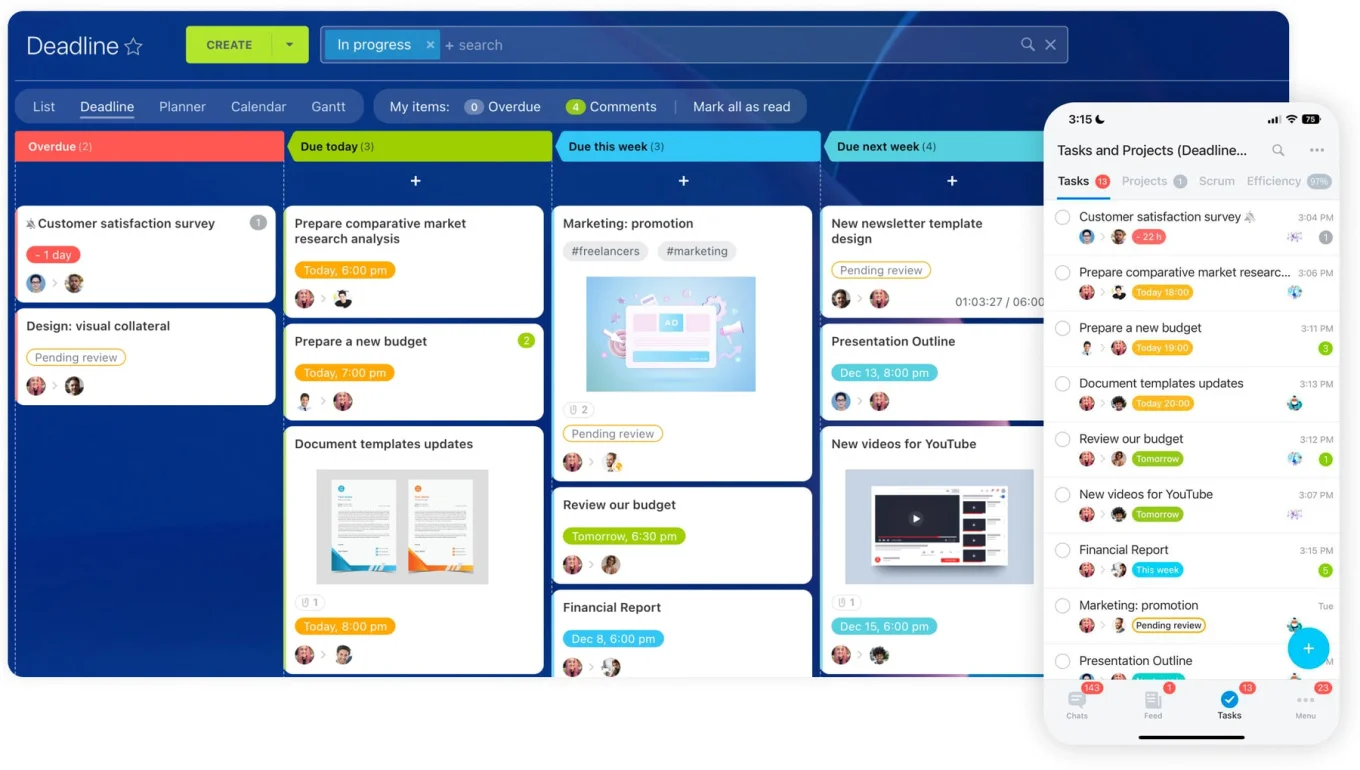
1. Bitrix24 — best all-in-one for scaling startups
Combines CRM, automation, and internal collaboration in one platform.
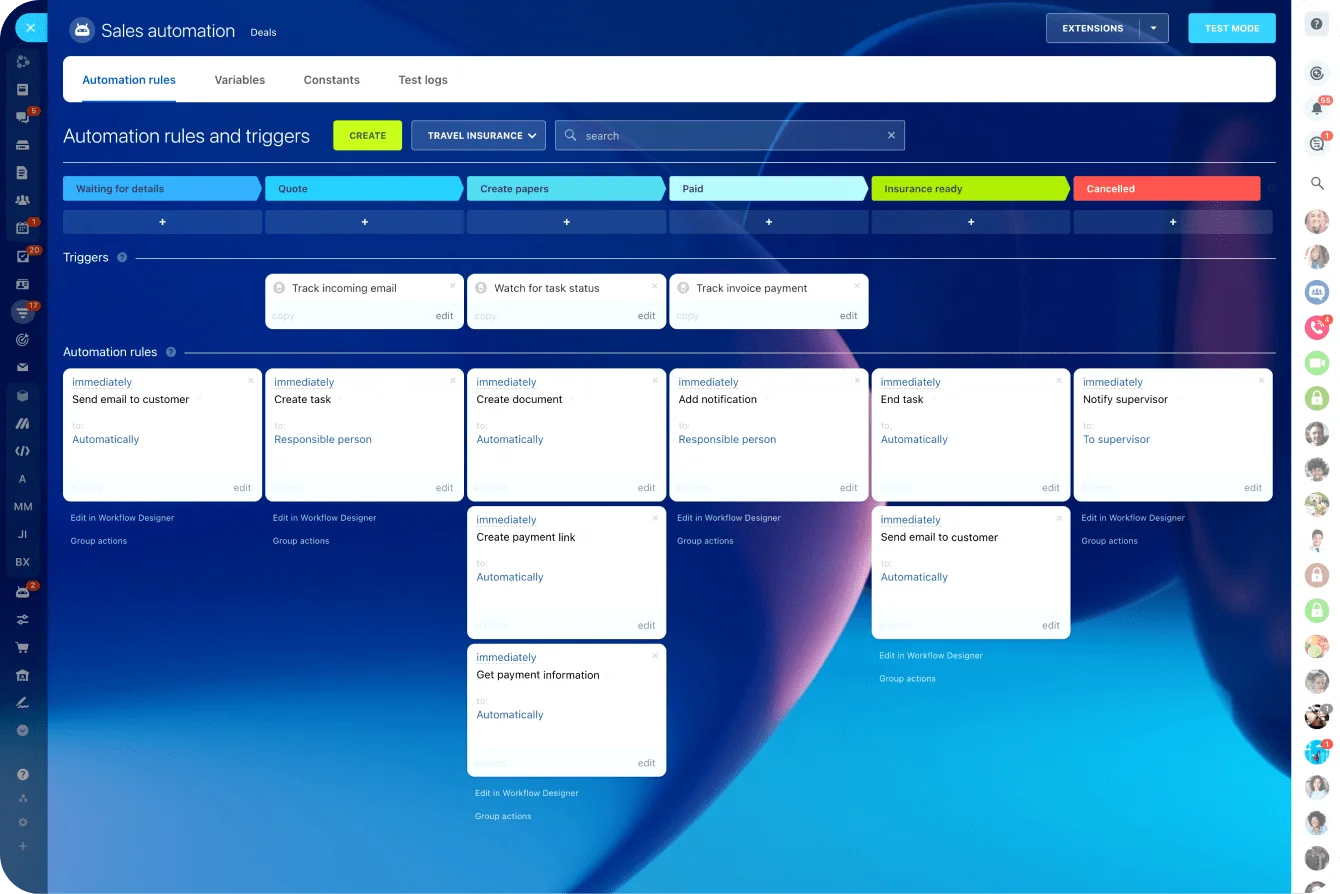
- Strengths: CRM, task management, and chat in one system; built-in automation for lead routing and follow-ups; strong feature set on lower-cost plans.
- Limitations: Interface can feel dense at first; some setup needed for full customization.
- Best for: Startups that want a scalable system early without stitching together multiple tools.
- Pricing: Free plan available; paid tiers scale with team size.
Check out our full range of solutions here.
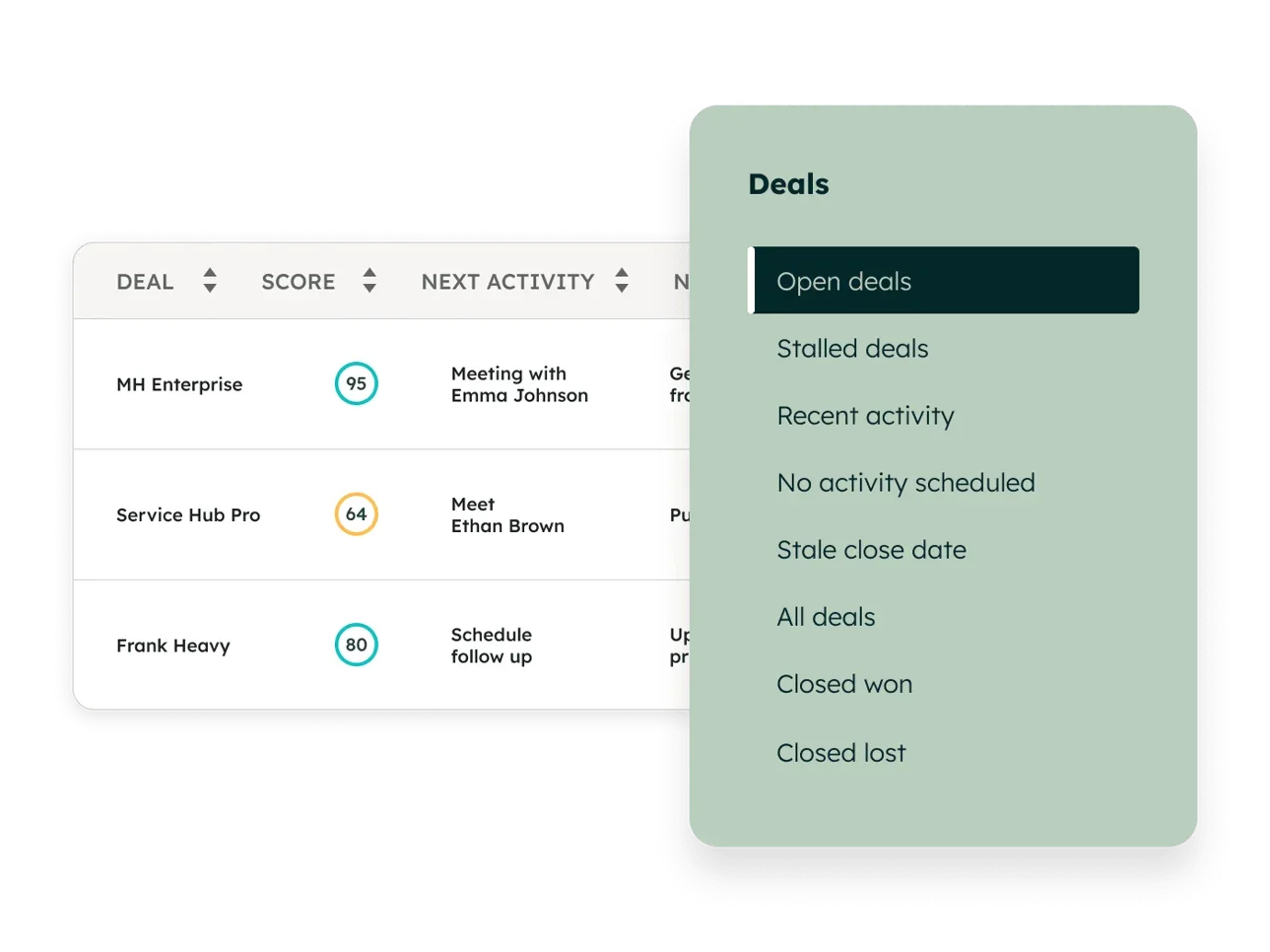
2. HubSpot CRM — best for ease of use and ecosystem
- Strengths: Very fast setup, free plan covers core CRM needs, strong marketing integration.
- Limitations: Advanced features require paid tiers; costs scale quickly.
- Best for: Startups prioritizing simplicity and planning to invest in marketing automation.
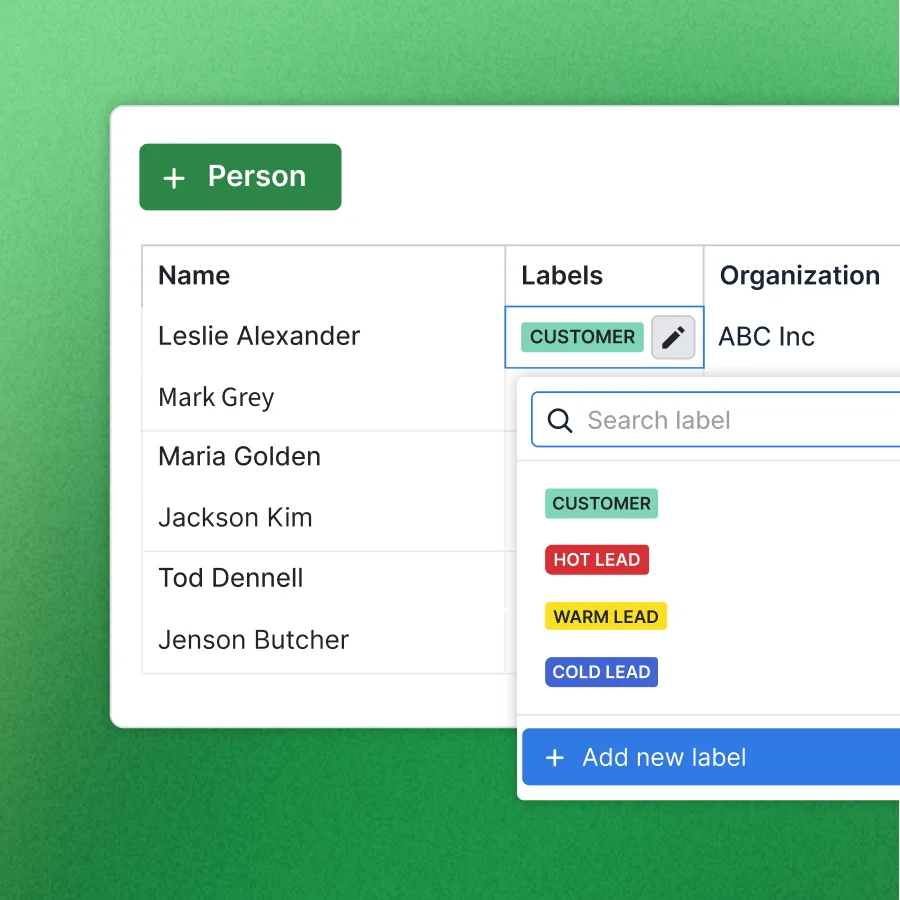
3. Pipedrive — best for simple sales pipelines
- Strengths: Clear visual pipeline, easy to learn, works well for founder-led sales.
- Limitations: Limited collaboration; basic automation and reporting.
- Best for: Small teams wanting a focused sales tool without extra complexity.
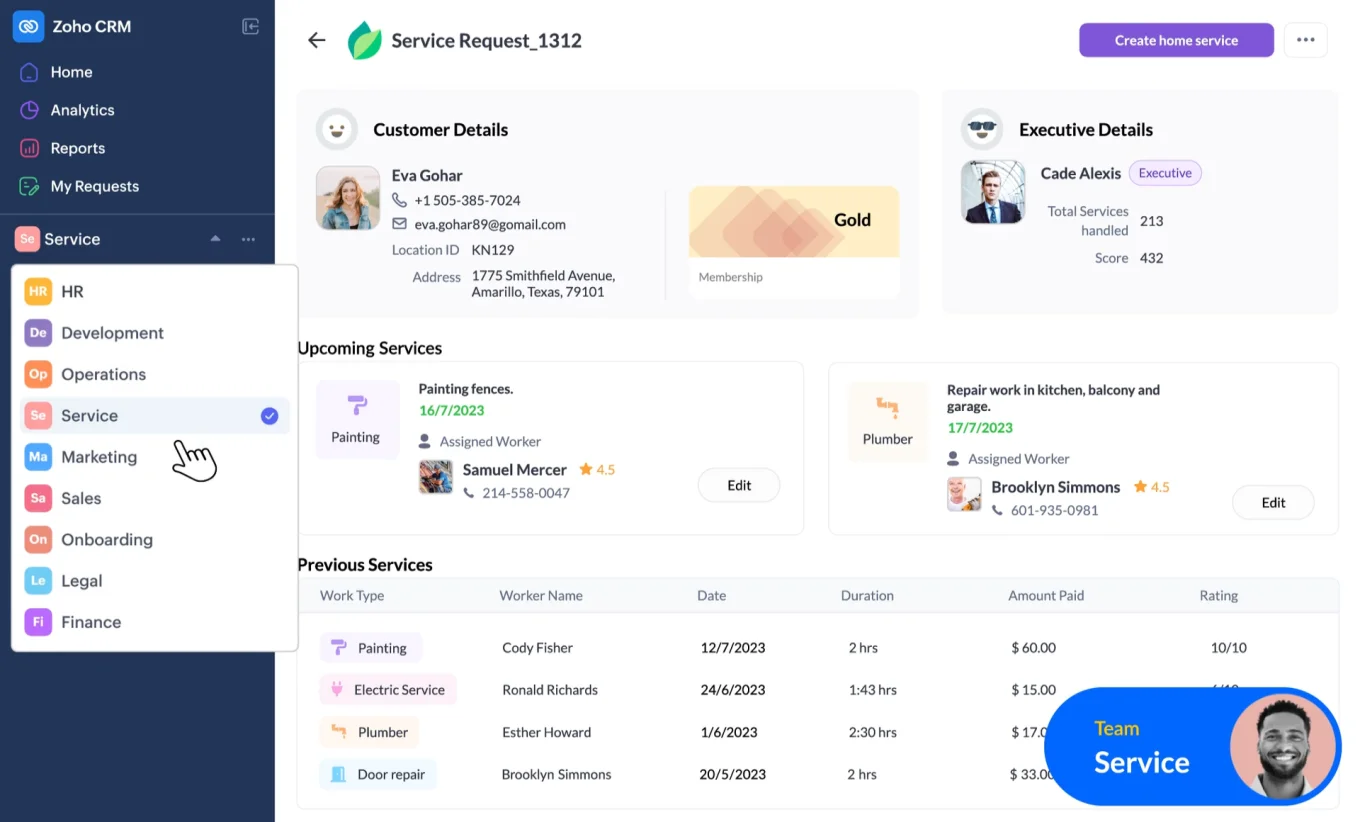
4. Zoho CRM — best for flexible customization on a budget
- Strengths: Affordable pricing, highly customizable workflows, broad ecosystem.
- Limitations: Less intuitive interface; configuration takes time.
- Best for: Startups comfortable investing time into setup for long-term flexibility.
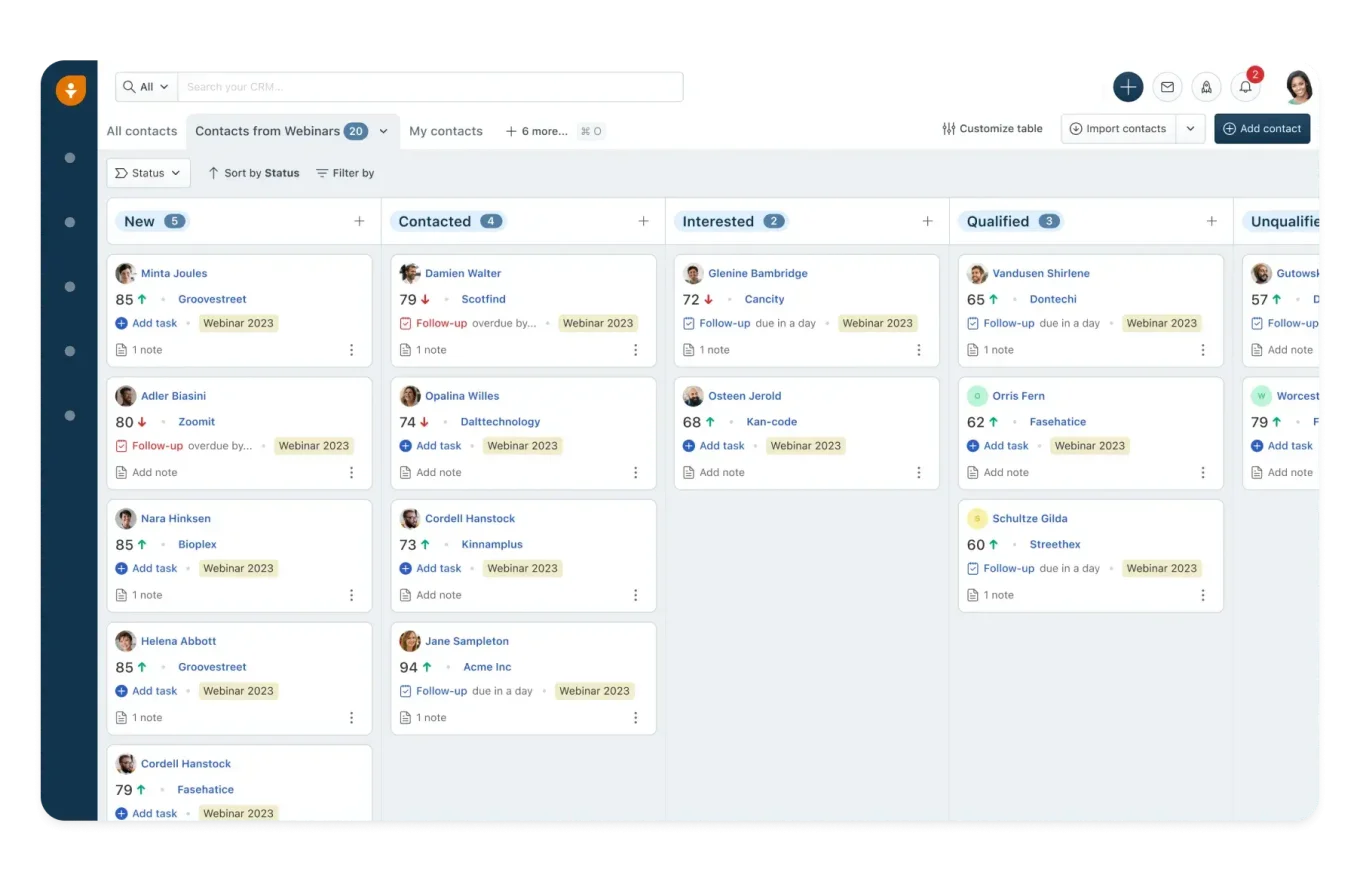
5. Freshsales — best for built-in sales engagement
- Strengths: Email and phone tools included, AI-driven insights, modern interface.
- Limitations: Limited collaboration beyond sales; fewer advanced workflow options.
- Best for: Sales-focused teams that want outreach inside their CRM.
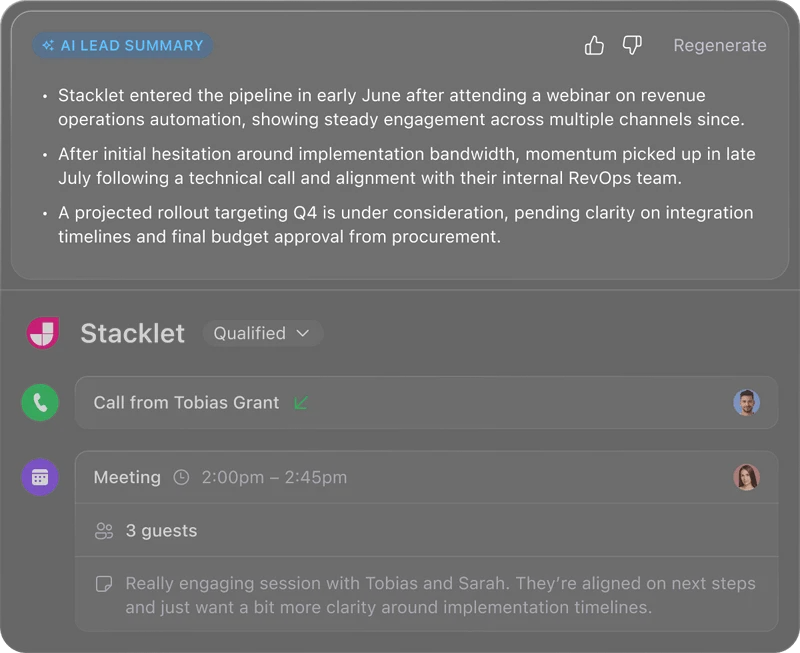
6. Close CRM — best for outbound and inside sales
- Strengths: Strong calling and email features, built for high-volume outreach.
- Limitations: Not designed for cross-functional collaboration; limited outside sales use cases.
- Best for: Startups running outbound-heavy or inside sales motions.
How to choose: match the CRM to your stage
Your needs change quickly in the early stages. The right CRM fits how you sell now without locking you out of where you're going.
- Founder-led sales. You need speed and simplicity. Setup should take hours, not weeks.
- Early sales team. Collaboration becomes critical — lead assignment, shared visibility, structured follow-ups.
- Scaling growth. Workflow automation and RPA, reporting, and clearly defined workflows keep consistency as volume rises.
Before committing, pressure-test with four questions:
- How quickly can we use this in real workflows?
- Does this reduce manual work, or just organize it?
- Will this still fit in 12–24 months?
- Does this keep the team aligned in one place, or do we still need separate tools for chat and tasks?
A free tool that fails on questions 2–4 ends up costing more than a paid tool that gets them right.
What to actually budget for a startup CRM
Sticker price is rarely the real cost. Plan for four line items:
- Per-user license fees. Most paid plans run $15–$90 per user per month. Multiply by your projected 12-month headcount, not today's.
- Required add-ons. Many "free" or starter tiers exclude automation, custom reporting, or email volume — features you'll likely need within 60 days.
- Implementation time. Budget 20–40 hours for setup, data migration, and team training, even on simple tools.
- Switching cost if you outgrow it. Migrating CRMs typically costs 2–3x the original setup time and risks data loss in the handoff.
A free tier that forces a migration in nine months almost always costs more than a paid tier you grow into.
Bitrix24 stands out here because its free tier covers more of the day-to-day basics in one place, giving startups more room to grow before they need extra tools or a fast upgrade.
Edge cases most CRM roundups skip
Standard advice doesn't fit every startup. Here's when defaults shift.
1. Solo founder doing sales while building product. Skip anything that needs configuration. Pipedrive or HubSpot's free tier is usually right. Revisit when you hire your first salesperson.
2. Product-led growth (PLG) with self-serve onboarding. Your CRM matters less for sales and more for tracking activation, expansion signals, and account health. Consider tools with strong product-data integration — HubSpot's CRM or Bitrix24 with custom fields tend to fit better than sales-first tools like Close.
3. Hardware, regulated, or long-cycle B2B startups. Deal cycles measured in quarters mean activity tracking, document management, and renewal reminders matter more than pipeline velocity. Bitrix24 and Zoho handle this better than the velocity-optimized tools.
4. Two-sided marketplaces. You're managing two pipelines — supply and demand — that interact. Most "startup CRMs" assume a single funnel. Customizable platforms (Bitrix24, Zoho) or running parallel HubSpot pipelines is usually necessary.
5. Distributed founding teams across time zones. Communication and collaboration in remote work environments stop being nice-to-have. Built-in chat and async deal commentary inside the CRM (Bitrix24's strength) reduces the email-and-Slack tax that distributed teams pay every day.
6. Pre-revenue startups still finding product-market fit. Don't over-invest in a CRM yet. A spreadsheet plus a simple notes system often beats premature CRM setup. Adopt the CRM the moment you hit consistent inbound or start outbound; not before.
Common CRM mistakes startups make
|
Mistake |
What to do instead |
|---|---|
|
Waiting too long to leave spreadsheets |
Move when follow-ups start depending on memory, not after deals slip |
|
Choosing on popularity, not fit |
Evaluate against your actual sales motion and team size today |
|
Treating automation as a “later” problem |
Even simple lead-assignment and reminder rules prevent execution gaps |
|
Underestimating collaboration needs |
If two+ people touch a deal, deal context belongs in the CRM, not in chat threads |
|
Buying for today, not 18 months out |
Stress-test against your projected user count and process complexity |
The data hygiene trap
Most CRMs don't fail because the software is wrong. They fail because the data inside them rots. Within six months of launch, untended pipelines fill with stale deals, duplicate contacts, and dead leads marked "active". Eventually, the team just stops trusting the dashboard.
Three habits prevent it:
- One owner per record. Shared ownership means no ownership.
- A weekly 15-minute hygiene pass. Mark dead deals dead; merge duplicates; update stale stages.
- Required fields at stage transitions. If a deal can move to "proposal sent" without a close date, your forecast is fiction.
Build these habits before the data gets bad, not after.
The bottom line: build your growth system before you need it
By the time most startups go looking for a CRM, they're already feeling the cost: deals lost to disorganisation, onboarding that takes weeks instead of days, a pipeline that only one person truly understands.
The right system doesn't just fix those problems. It removes the conditions that create them.
That means picking a platform that handles more than contact management — one where your CRM, communication, and task management live together, so your team spends less time context-switching and more time closing. It means choosing something you won't outgrow in a year. And it means starting before the cracks get expensive.
Bitrix24 is where a lot of growing teams land when they run that checklist. It's free to start, built to scale, and designed so the whole team — not just sales — actually uses it.
Start for free and build on a system that grows with you.
Get a head start with Bitrix24
Start for free with Bitrix24, the all-in-one operating system that offers CRM, automation, tasks, and chat in one platform, suited to match your startup’s scaling need.
Learn MoreFrequently asked questions
Why can Bitrix24 be a good CRM for startups?
It gives startups CRM, tasks, chat, documents, websites, automation, and reporting in one platform, which reduces tool sprawl early on.
Can startups automate follow-up in Bitrix24 without a large ops team?
Yes. Rules and triggers can assign owners, send reminders, move deals, and create tasks when prospects take action or go quiet.
How does Bitrix24 help founders keep visibility as the team grows?
Shared pipelines, dashboards, activity history, and role-based access make it easier to spot bottlenecks without chasing updates manually.
What should startups compare besides price?
Compare onboarding speed, automation depth, mobile access, reporting, integrations, and whether the CRM can support marketing and service later.